
.png?width=49&height=23&name=HIMA%20Logo_mini%20(1).png)
HIMA Safety Platform
The HIMA Safety Platform brings together safety control, engineering, communication and cybersecurity in one integrated platform. Designed for applications ranging from compact SIL 3 systems to highly available and redundant architectures, it helps operators reduce complexity while maintaining flexibility for future requirements.
Built on an open and modular architecture, the platform supports centralized and distributed system designs and integrates seamlessly with existing automation environments. Open communication technologies and vendor-independent integration enable reliable connectivity from field devices to higher-level systems while maintaining functional safety and cybersecurity.
By combining scalable controllers, common engineering, secure communication and lifecycle support, the HIMA Safety Platform provides a future-ready foundation for safe, reliable and efficient plant operation.
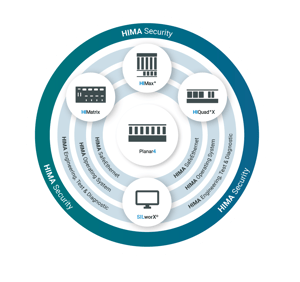
- SILworX
- HIMax
- HIQuad X
- HIMatrix
- Planar4
- HICore 1
One Engineering Environment for HIMA Safety Systems
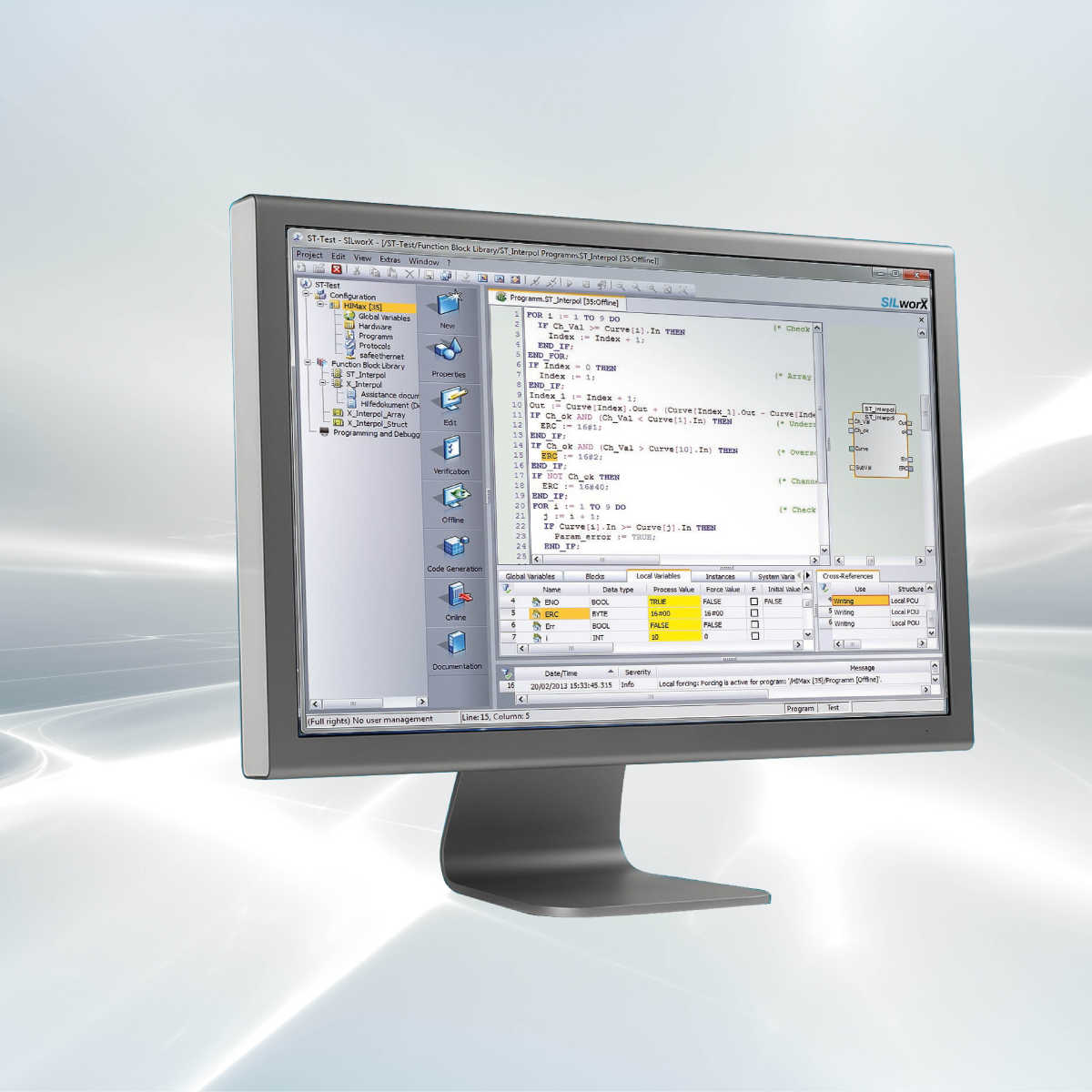
SILworX is the integrated engineering tool for programming, configuring and diagnosing HIMA safety systems. It supports HIMax, HIQuad X and HIMatrix within one engineering environment, allowing users to manage different controller families without changing tools or engineering methods. Programming complies with IEC 61131-3 and includes preconfigured, certified function blocks as well as Sequential Function Charts and Structured Text.
Centralized diagnostics provide detailed information about controllers and connected modules, helping users identify faults and maintain their safety systems efficiently. Password protection for projects and controllers, together with controlled changes to hardware and logic, supports functional safety and security throughout engineering, operation and maintenance.
Continuous Operation for Critical Safety Applications
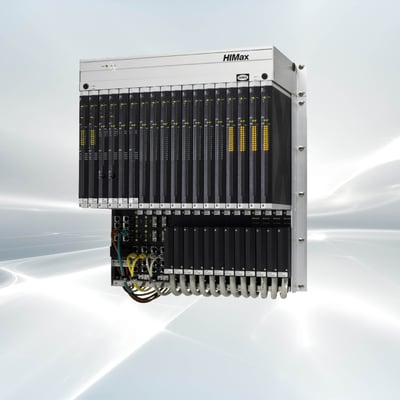
HIMax is HIMA's fault-tolerant safety controller for applications where operational continuity is critical. Its architecture is designed to maintain safety functions even in the event of hardware failures, supporting highly available and redundant system designs. Extensive communication capabilities and a broad I/O portfolio enable HIMax to manage complex safety systems across large process facilities.
Designed for medium-sized and large applications, HIMax combines high processing performance with maximum availability. The controller supports complex architectures, distributed safety concepts and modernization projects while helping operators maintain production continuity and long lifecycle performance.
Configuration Flexibility for Life
HIQuad X is built around a modular safety architecture that can be adapted and expanded throughout the entire plant lifecycle. Its flexible design supports both centralized and distributed deployments while allowing safety systems to evolve alongside operational and regulatory requirements.
HIQuad X is particularly suited for plants that undergo phased modernization, expansion and continuous optimization. By protecting engineering investments and supporting future adaptations, the controller provides long-term flexibility without requiring a complete redesign of the safety system.
Fast, Flexible and Compact Safety Control
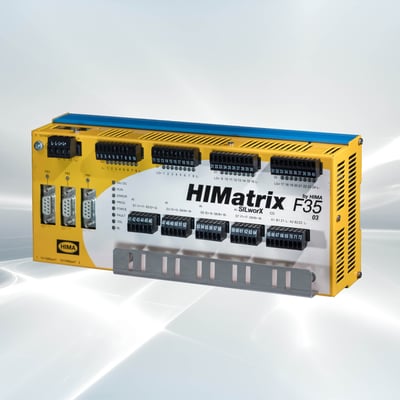
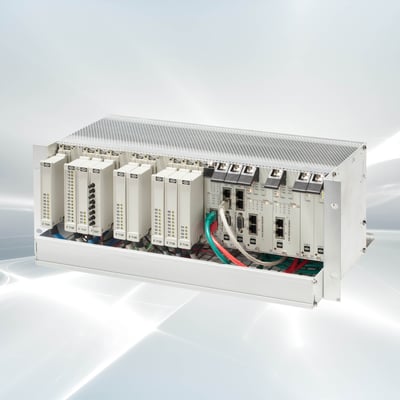
HIMatrix combines safety control, communication and I/O functionality within a compact platform. Designed for networked and time-critical applications, it supports both local and distributed safety concepts while remaining fully integrated into the wider HIMA Safety Platform.
Its compact footprint and integrated communication capabilities allow safety functions to be deployed closer to the process. This makes HIMatrix particularly suitable for smaller safety applications, distributed installations and projects requiring fast response times without sacrificing platform consistency.
The Highest Level of Safety
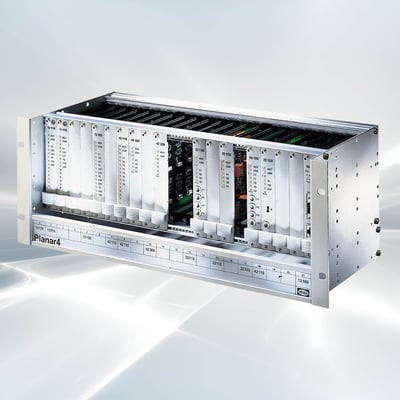
Unlike programmable safety systems, Planar4 implements safety functions through hard-wired logic. This hardware-based architecture creates an exceptionally robust safety environment and provides the foundation for applications requiring the highest levels of integrity.
Approved for implementation up to SIL 4 according to IEC 61508 Edition 2, Planar4 is designed for the most demanding safety applications. Its architecture minimizes complexity while providing long-term reliability for environments where safety performance is paramount.
Certified Safety Technology for Embedded Systems

HICore 1 combines a TÜV-certified Safety System on Chip (Safety SoC), a safe operating system and safety middleware into a single platform for embedded safety applications. Its architecture is based on a redundant microcontroller system with separate processor cores and was developed to simplify the design of safety-related products while meeting the requirements of IEC 61508 up to SIL 3 and ISO 13849 up to PL e.
Rather than functioning as a safety controller itself, HICore 1 serves as the foundation for developing safety-related products such as sensors, actuators, remote I/O systems and embedded controllers. Certified communication libraries for standards including PROFIsafe and FSoE, together with comprehensive documentation and support, help manufacturers reduce development effort, accelerate certification and shorten time to market.
HIMA Rail Safety Platform
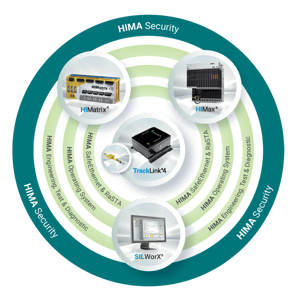
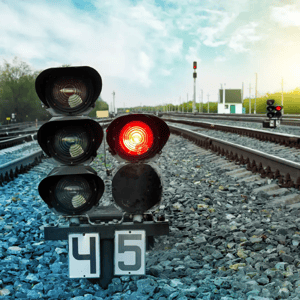
The HIMA Rail Safety Platform provides the technology foundation for modern railway applications across rolling stock, signalling, and infrastructure. Built on independently certified safety technology and decades of rail engineering expertise, it helps operators, infrastructure managers, OEMs and system integrators modernize safety-critical systems while protecting availability, operational resilience and long-term investments.
Designed around an Independent Open Safety Platform approach, it enables flexible system architectures, standards-based integration and long lifecycle support. From onboard safety systems and digital signalling environments to traction power and infrastructure control, HIMA technology helps customers modernize with confidence while maintaining safety, reliability and performance throughout the railway lifecycle.
There is no safety without security. Security principles are therefore integrated into every solution, helping protect safety-critical railway operations throughout the system lifecycle.
Enabling Safe Railway Operations
The HIMA Rail Safety Platform supports railway applications across three key areas:


- HIMax
- HIMatrix
- SILworX
- TrackLink 4
- RaSTA
High-Availability Safety for Complex Railway Applications
HIMax provides the safety backbone for applications where availability and fault tolerance are critical. Designed for complex railway environments, it enables highly available architectures and supports signalling, infrastructure and other safety-critical applications that require continuous operation and long service lifecycles. Based on independently certified SIL4 technology for rail applications, HIMax helps operators maintain operational continuity while supporting modernization and future expansion.
Compact SIL4 Safety for Distributed Railway Applications
HIMatrix combines certified railway safety, integrated communication and compact system design in a single platform. It is particularly suited to applications where space efficiency, distributed architectures and fast response times are important. Supporting rolling stock, level crossing and infrastructure applications, HIMatrix provides flexible deployment options while remaining part of the wider HIMA Rail Safety Platform.
One Engineering Environment Across the Railway Lifecycle
SILworX provides a common engineering environment for configuration, diagnostics, testing and lifecycle support. By using one platform across multiple HIMA technologies, operators, OEMs and system integrators can simplify engineering activities, support long-term maintenance strategies and enable efficient modernization over the lifetime of railway assets.
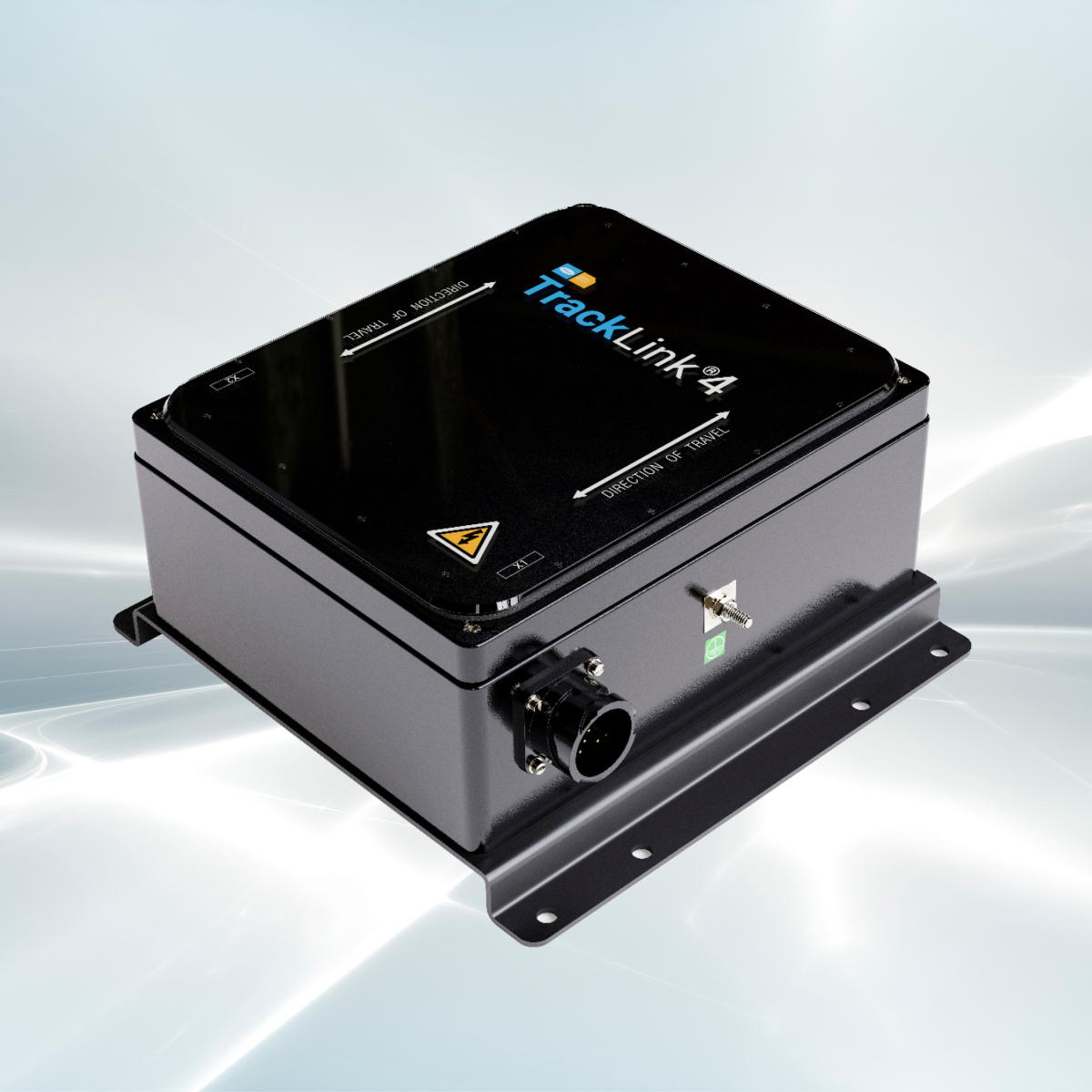
Enabling Track-to-Train Applications
Safe Communication for the Digital Railway
RaSTA (Rail Safe Transport Application) provides a standards-based communication layer for modern railway systems. Supporting EULYNX, future railway communication architectures and interoperable signalling environments, RaSTA helps operators and system integrators implement flexible, vendor-independent solutions while maintaining SIL4 communication quality. Its independence from the physical transmission layer supports long-term technology evolution and future digital railway developments.